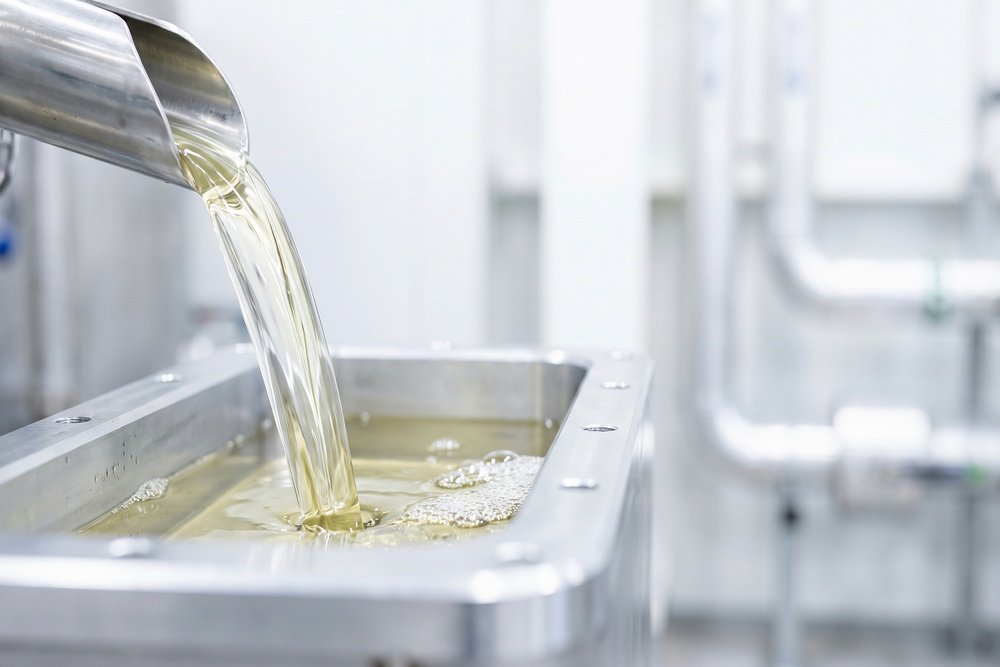
Factories chase speed constantly. Faster cycles, higher output, fewer bottlenecks. But sometimes the thing slowing a production line down is not the equipment or the staffing. It is the solvent running through the process.
Speed Starts With Chemistry
Solvents do critical work in manufacturing. They dissolve, extract, clean, and carry other materials through various stages of production. When a solvent performs well, nobody notices it. When it underperforms, everything downstream feels the drag. A solvent that evaporates too slowly holds up drying stages. One that leaves residue behind forces extra cleaning cycles between batches. Another that behaves inconsistently from one delivery to the next creates unpredictable processing windows that operators have to babysit constantly. All of that eats time. And on a factory floor, lost time is lost product.
The Hidden Cost of “Good Enough”
Lots of manufacturers pick their solvents mostly because of price and how well they fit the process. That reasoning works until someone questions why throughput has leveled off or why reject rates continue to rise. Commodity grade solvents often meet the minimum specification on paper.
Read More: New Opportunities for Investors in Fast-Moving Markets
But minimum specs leave room for variability. One batch might be slightly purer than another. Evaporation rates might vary a bit, requiring tweaks on the line. Each minor tweak takes a few minutes, which add up over thousands of production cycles each year. The solvent technically works. But “technically works” and “performs optimally” are very different things.
What a Better Solvent Actually Changes
Using a higher purity solvent can unexpectedly reduce cycle times. Cleaner evaporation means faster drying. Fewer residues mean less downtime for cleaning. Consistent batch quality means operators set their parameters once and trust them. A reactor that used to need thirty extra minutes of cleaning between runs suddenly does not. A drying oven that held product for an extra cycle because the solvent was slow to flash off no longer creates that logjam.
Read More: How Personal Loan Structures Change in App-Based Lending
Multiply those recovered minutes across every batch in a month and the throughput gains become substantial. None of this requires new equipment. No capital expenditure. Just a better input material doing its job more efficiently.
Matching the Solvent to the Job
Not every process needs the same solvent profile. Boiling point, polarity, evaporation rate, and chemical compatibility all factor into the choice. Grabbing a general purpose solvent and hoping for the best leaves performance on the table. Manufacturers running extraction, cleaning, or reaction processes that call for a fast evaporating nonpolar solvent often find that isohexane fits the bill precisely. Companies such as Trecora have built a strong reputation producing this particular hydrocarbon at purity levels that remove the guesswork, giving production teams a solvent they can rely on to behave the same way every single time it enters the process. That kind of predictability translates directly into smoother operations and higher output.
Throughput Is a System Problem
It is tempting to blame throughput issues on big, visible things. An aging piece of equipment. A labor shortage. A scheduling conflict. Those problems are real. However, they also attract attention and get addressed. Solvent performance flies under the radar because it sits in the background of every process. Nobody holds a meeting about solvent evaporation rates. But maybe they should, because the cumulative drag of a suboptimal solvent can quietly suppress output more than anyone realizes.
Conclusion
Upgrading a solvent is one of the lowest friction changes a manufacturer can make. No construction. No retraining. No months long implementation timeline. Just better chemistry going into the same process, coming out faster and cleaner on the other side. Sometimes the biggest throughput gains hide in the simplest switches.
About the Author